Text: Markus Tihumäki and Antti Latikka
Photos and videos: Samuli Harjunen
It was August 2018. The Canadian ‘blind hockey development camp’, by then a tradition for visually impaired Canadians, was about to begin at the Fortius Sport Centre in Vancouver, Canada. Antti Latikka and Markus Tihumäki had last played ice hockey years earlier. Latikka had tried to keep up with sighted pupils in school PE despite his poor vision, and Tihumäki had played while he could still see, as a lower secondary school pupil. The first blind hockey trial took place at a camp for the Finnish national goalball teams in autumn 2016, after a puck had been received as a gift at a goalball tournament in Vancouver. In 2018, while pulling their hockey bags along the corridor of the Fortius Centre ice rink, both felt that something unique was happening. Despite a visual impairment, you can be an ice hockey player. Now that feeling is bringing the sport to Finland.
What is blind hockey?
Blind hockey (blind hockey) is a sport developed in Canada in the 1970s, in which the goalkeepers are blind, but the skaters may play using their remaining sight. Blind hockey is played with a special hollow puck made of metal sheets that contains ball bearings. The puck is almost six times the size of a standard ice hockey puck, which helps players with low vision to see it. The ball bearings, in turn, make the puck audible. The goals, meanwhile, are about 30 cm lower than standard goals. The sport also follows some special rules, such as a ban on body checking and a requirement to make a pass before a shot on goal once past centre ice. The referee uses an electronic whistle that signals when scoring is allowed, and the goalkeeper's crease is strictly off limits.
For a long time the sport was played in Canada at a local level, until around 2010 Mark DeMontis founded the organisation Courage Canada. Thanks to it, the sport began to spread, and national camps and tournaments started to be organised. Today the sport has activities at various levels in both Canada and the United States, in about ten different locations in each. In the United States, several NHL clubs already run programmes, for example the Chicago Blackhawks, St. Louis Blues, Pittsburgh Penguins and Minnesota Wild.
In 2018, the national governing bodies of the USA and Canada incorporated the sport into their high-performance programmes. In the same year, official national teams were formed and the first international matches were played. In 2019, the sport was tried out in Great Britain and Russia. Now it is arriving in Finland. In the near future, the sport is aiming for its first four-nation tournament and to seek Paralympic status, possibly as early as 2030.
Read more about the history of the sport and the Canadian hockey camp in the Airut magazine article
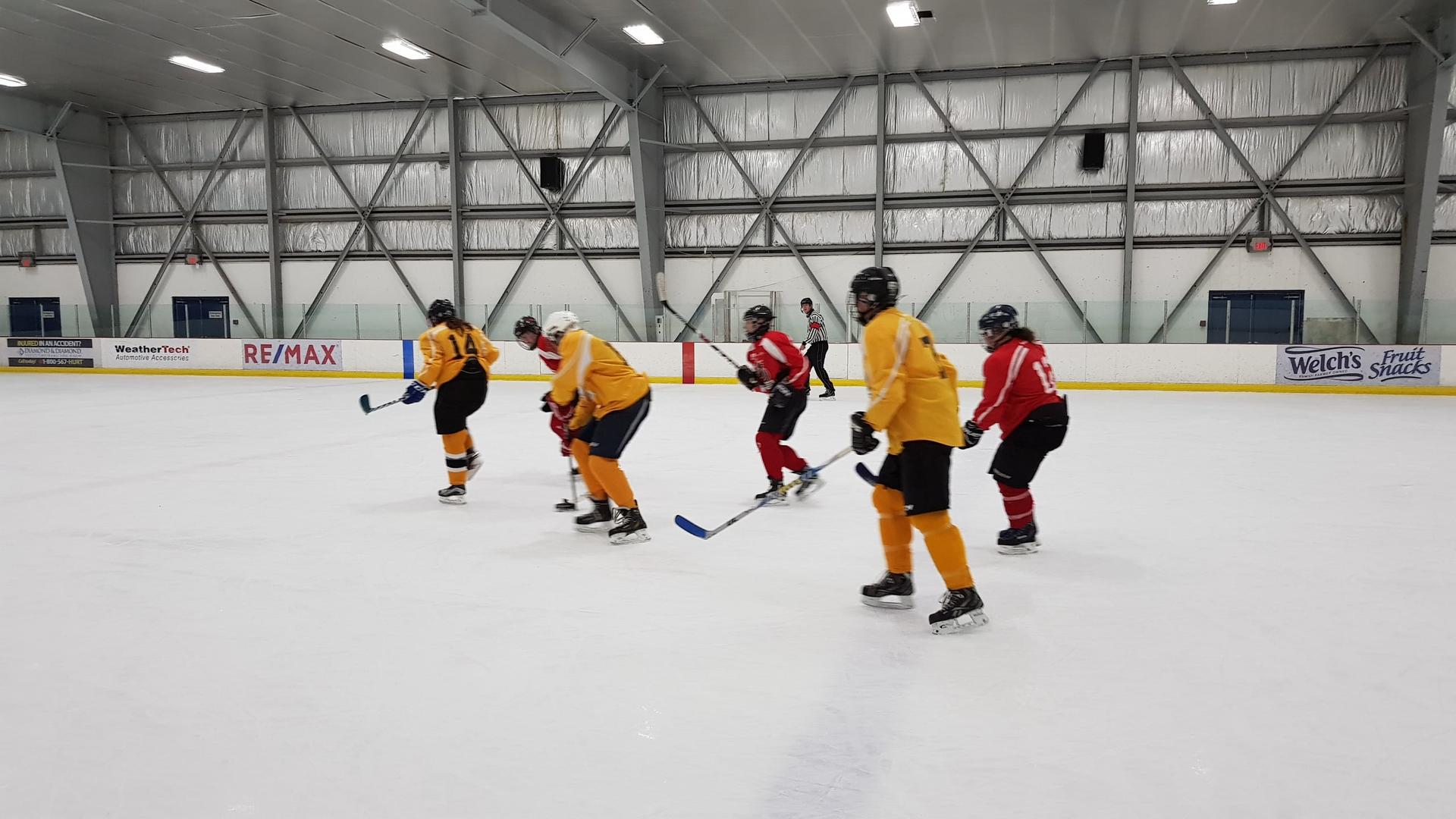
Aisti Sport organising the first blind hockey camp in the Nordic countries
The first blind hockey camp in the Nordic countries, and the largest in all of Europe by number of participants, will be held at the Pajulahti Sports Centre on 31 January – 2 February 2020. Aisti Sport's founding member Markus Tihumäki and members Antti Latikka and Samuli Harjunen are leading the introduction of blind hockey to Finland under the Aisti name. Harjunen was also in Canada on the training trip to the hockey camp in autumn 2018, in the role of assistant.
The Pajulahti hockey camp is open to all visually impaired people and ended up attracting nearly 30 registered players. The aim of the camp is to pilot the sport in Finland and introduce visually impaired Finns to the sport and to the opportunity of playing ice hockey. The camp is run in cooperation with the international blind hockey federation IBIHF, whose executive director Matt Morrow will come to the camp together with four other professionals in the field. Three of them are national-team-level blind hockey players. The weekend event is sponsored by the Support Foundation for Blind Children, Suomen näkövammaissäätiö, Annanpura Oy and Aivela Oy.
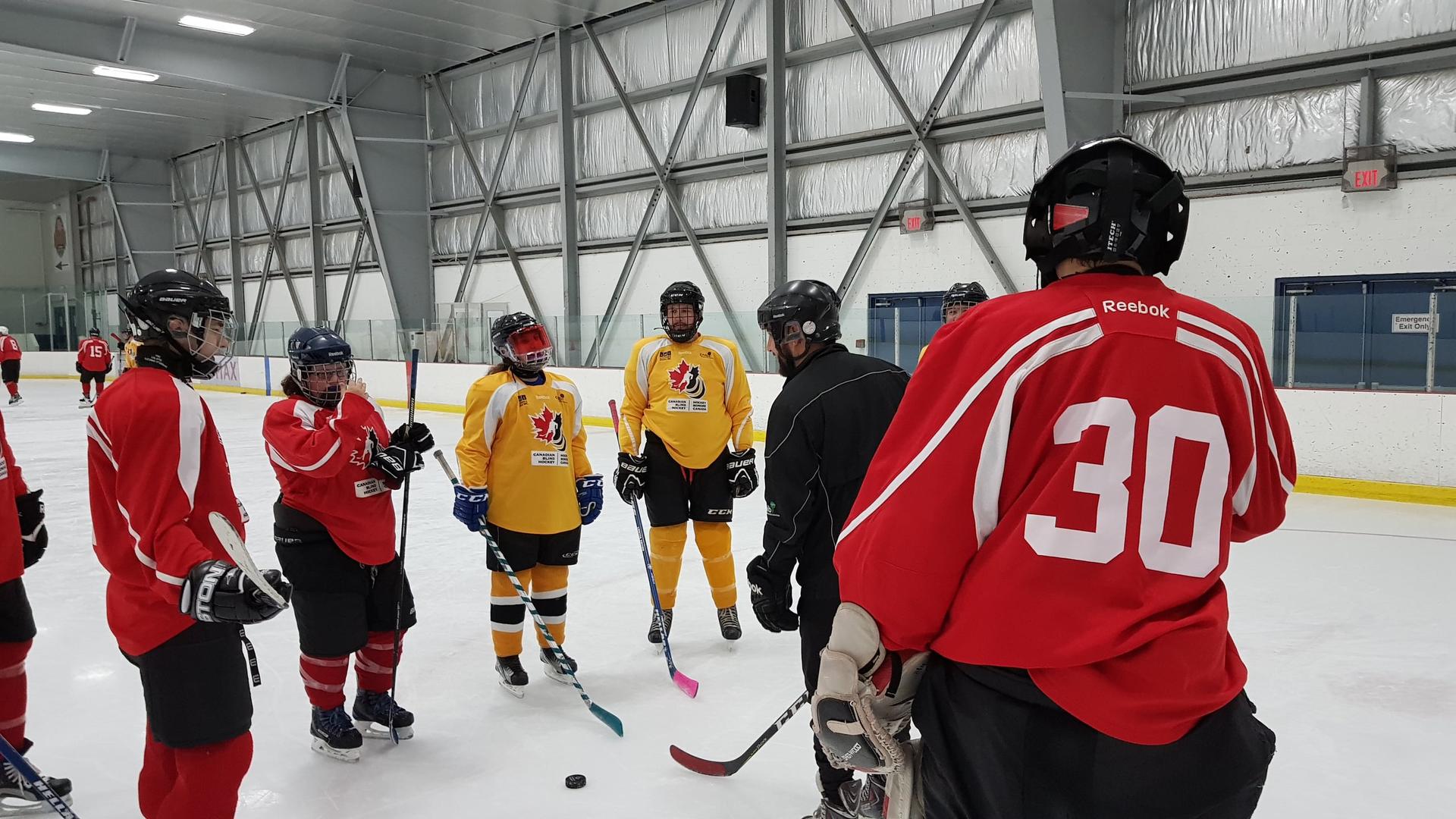
The aim is for the sport to stay in Finland
The hockey camp has generated a great deal of interest among visually impaired athletes. Some of the visually impaired participants are children and some are adults, ranging in age from 8 to 60. Some of those registered have played ice hockey in club teams but lost some or all of their sight and, as a result, had to give up the sport. Those who have been visually impaired since birth, on the other hand, have had virtually no chance of even trying to become ice hockey players. Blind hockey offers the opportunity to play Finland's most followed sport. The event's big principle is “hockey belongs to everyone.” The goal is to establish the sport in Finland and get hockey clubs to cooperate, which would make it possible to play it regularly.
Would there be enough players, when visually impaired people in a small country are spread widely across the country?
Based on the interest already shown, it seems that a lack of players will not be the problem. Quite simply, the sport is not only for visually impaired people: sighted people can play too, thereby increasing player numbers. In North America, blind hockey activities were launched specifically in cooperation with individual sighted hockey players. Sighted players get to play ice hockey and at the same time bring more players to practices. That is inclusion at its best.
We will be hearing more about the blind hockey camp and the future of the sport. The Näkövammaiskiekko Suomi Facebook page is a good place to follow what's happening.
Aisti Sport is proud to be part of bringing the sport to Finland.
In the first of the videos below, a decisive shot in a penalty shootout is saved by the goalkeeper, ending the game. The second video shows game footage of an attacking play. The videos were filmed in autumn 2018 at the ’Canadian blind hockey development camp’.